
Join the Movement
We work toward partnerships with landowners, municipalities, innovators, and investors who share a vision for sustainable food production, resilient communities, and responsible growth
The Future of Autonomous Infrastructure, Food Security, and Edge Computing
Executive Summary & Investment Opportunity
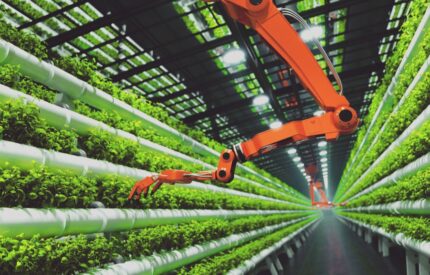
The New Herbanism resolves these challenges simultaneously. By reimagining underutilized rail and transport rights-of-way (ROW), we construct modular, 60-foot-high, two-acre automated infrastructure nodes. These structures combine high-yield vertical aquaponics, zero-carbon hybrid energy generation, micro-edge data centers, and advanced autonomous transit into a single, highly profitable, multi-tenant asset class.
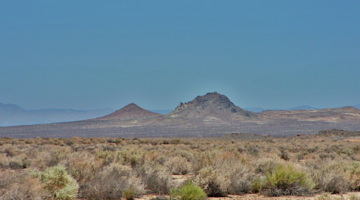
From the high Mojave Desert of North Edwards, California, to the sub-zero corridors of Whitecourt and Provost, Alberta, our climate-shielded hubs turn hostile environments into predictable economic engines.
The Vision
The global infrastructure landscape is facing compounding crises: climate-driven agricultural failures, an unprecedented energy and cooling shortage for artificial intelligence computing, and underutilized transit networks.
The Asset
An Integrated Architecture
Each modular New Herbanism unit is engineered as a high-performance building type, structured in three distinct, synergistic layers:
CROSS-SECTION: MULTI-TENANT INFRASTRUCTURE
THE ENERGY EXOSKELETON
- Galvanized Frame
- Venturi Facade
- Roof & Pseudo-Facade
- Cable-Stayed Pinned
- Halcium PowerPods
- 32% Perovskite Solar
- Vibrational Block
- The Energy Shield (Free-Standing Pseudo-Facade): A galvanized steel exoskeleton held in absolute tension by high-bridge cable-stays to handle 150 mph lateral and uplift winds. The leading edge forms a Venturi curve, compressing and accelerating low ambient breezes into a rooftop battalion of omnidirectional, shroud-protected Halcium wind turbines. One full acre of the roof features 32% efficient Perovskite solar arrays, creating a flat, 24-hour clean baseload curve. Moving mechanical energy is restricted to the exoskeleton, ensuring the main farm remains vibration-free.
THE TRANSPORT CORRIDOR
- Ground-Level Freight
- Interstitial Space
- Dual-Use Airspace
- Central Rail Spurs
- LSM/LIM Pass. Pods
The Multi-Use Hub & Residence: A built-in, split-facade apartment provides a live-in sanctuary for the owner-operator, featuring a massive, acoustically sealed structural glass observation wall looking directly into the robotic farm matrix. Public-facing areas include a destination Seed-to-Table eatery or an experiential Global-Local Bazaar (selling bulk goods, exotic ornamental living systems, and regional art), protected by strict negative air pressure and transparent biosecurity airlocks.
THE BIOLOGICAL CORE
- Load-Bearing Matrix
- Split-Facade Unit
- (Honeycomb Matrix
- Tri-Material Layout
- Daikin VRV IV HVAC
- Robotic Gantry Arms
- 90% Water Savings
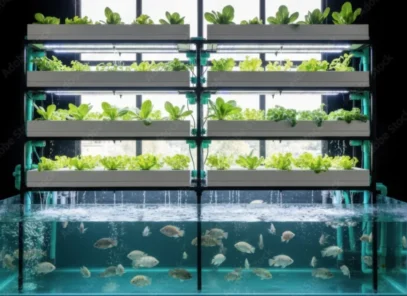
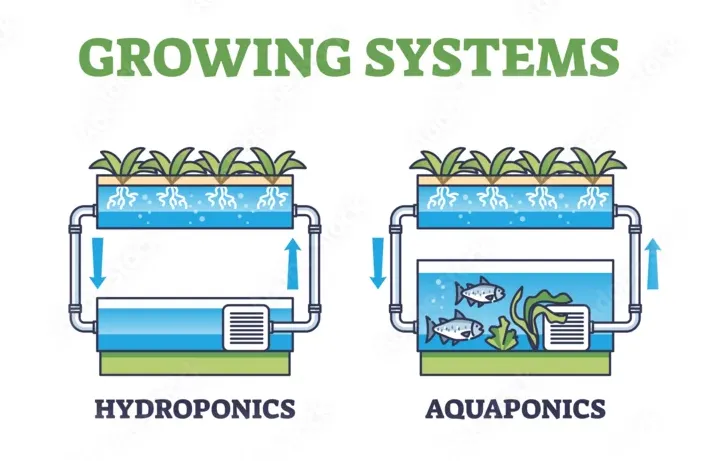
- The Biological Core (Load-Bearing Honeycomb Matrix): A structural hexagonal lattice optimized via tri-material engineering (structural light-gauge steel, stiff and dampening Superwood, and corrosion-resistant inner aluminum). This matrix houses clean vertical aquaponics and hydroponics loops that recirculate highly oxygenated nutrient water, achieving 90% water savings over conventional farming. The core features micro-zoned climate tuning via Daikin VRV IV/IVi systems and dynamic, plant-tuned circadian LED spectrums.
THE CAPITAL STACK & MULTI-TENANT REVENUE MODEL
The New Herbanism eliminates the volatility of traditional agriculture by operating a manufacturing-style cost structure that drives a deflationary food curve for consumers while securing high-yield, diversified revenues across a robust triple-patent portfolio (Utility, Design, and Plant types).
Our strategic investment framework targets five key institutional partners:
Technology & Telecom Giants (Edge AI Data Centers)
Technology firms lease secure, low-latency micro-data centers built directly into the corridor nodes. They pay premium rates for our off-grid Perovskite solar and Halcium wind power. In exchange, the intense waste heat from their AI servers is harvested and channeled into our Daikin VRV loops to warm the winter aquatic pools and plant stacks for free—completely eliminating the carbon footprint and cooling/heating costs of both industries.
Indigenous Groups & First Nations:
- Partnering as equity stakeholders or land providers, Indigenous groups leverage our model to build generational wealth, local food independence, and high-tech employment opportunities using corporate-tribal frameworks modeled after the highly successful Alaska Native Corporation (ANC) system.
Rail Companies (BNSF, CPKC, CN
- Rail giants monetize idle, restricted right-of-way real estate via long-term master leases. In return, they generate increased freight demand and secure a direct, on-site supply of localized green electricity and hydrogen to fuel next-generation zero-emission locomotives.
Aerospace Agencies & Defense Governments (NASA, CSA
Operating in proximity to aerospace centers like the NASA’s Armstrong Flight Research Center in California, our hubs serve as critical Lunar and Planetary Analog Test Beds. Through federal R&D grants and tech-transfer contracts, space agencies utilize our AI-driven robotic gantry seeding, harvesting, and closed-loop biomass management systems to validate in-situ food production architectures for the upcoming Artemis moon base.
Institutional Infrastructure & ESG Funds
Global pension and insurance funds provide low-cost project financing to build the physical structural assets, securing long-term, inflation-protected yields anchored to the essential human needs of food, energy, digital connectivity, and transport.
Scale & Expansion Pipeline
The New Herbanism is engineered for immediate, scalable deployment, utilizing highly strategic geographical anchors to validate and expand the concept:
- Phase 1: The Canadian Baseline (Whitecourt & Provost, AB): Validating the robotic gantry mechanics, owner-operator model, and winter data center heat-rejection loops in sub-zero climates.
- Phase 2: The Desert Matrix (North Edwards, CA): Stress-testing the 150 mph cable-stayed Venturi facade and Halcium turbine performance under extreme “Hot and Dry” conditions along the high-density BNSF corridor, while initiating NASA tech-transfer protocols.
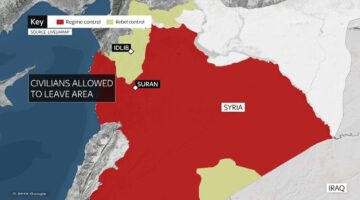
3. Phase 3: Global Reconstruction (Ukraine & Syria Corridors): Deploying decentralized, off-grid food superpowers along war-torn or water-scarce transport networks. Bypassing contaminated broad-acre fields, these hubs rebuild regional economic viability and hook high-value exports directly into the European Union and Middle Eastern supply chains.
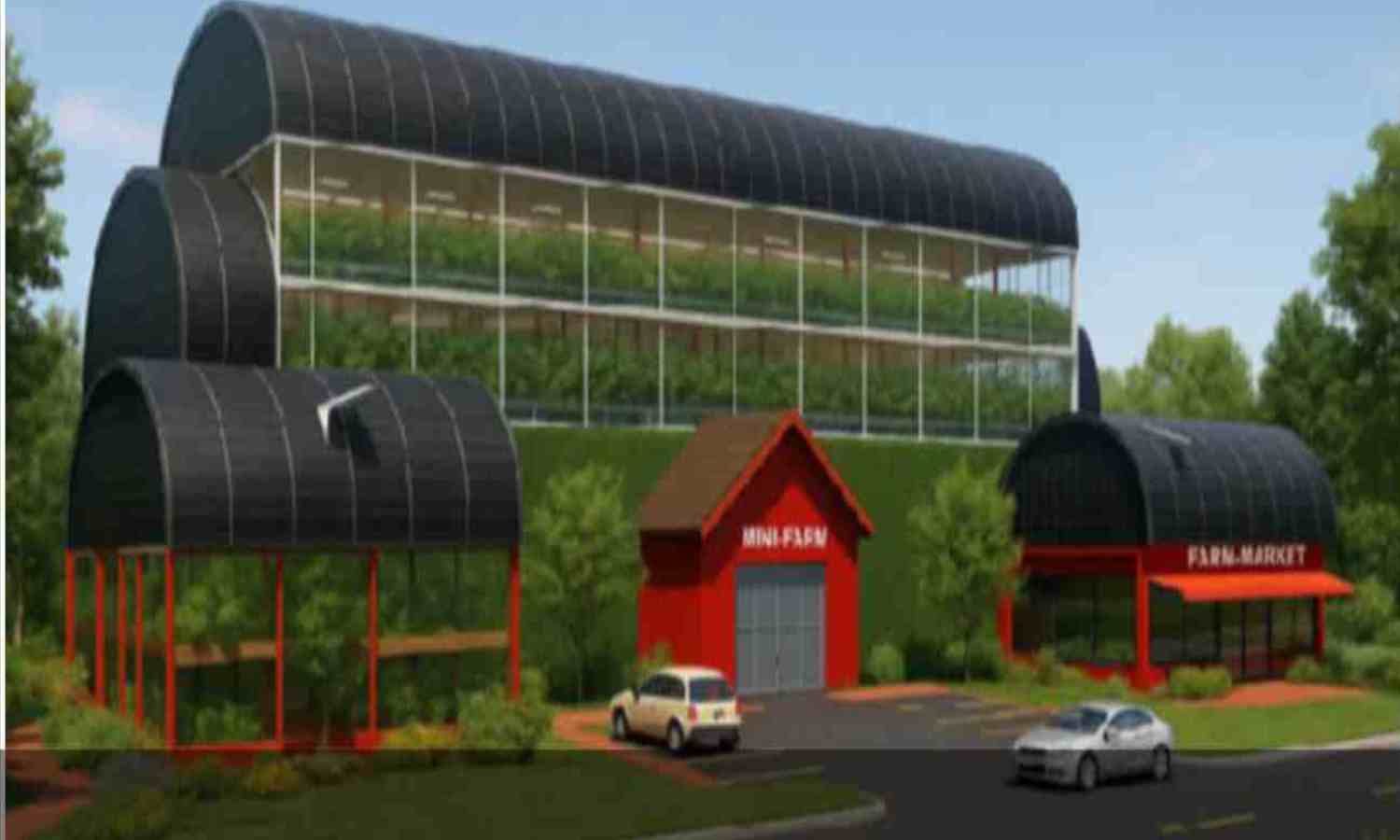
The Main Building will have a Living Componant as well as Eatery + Retail Shop connected internally for access to the products produced therein.
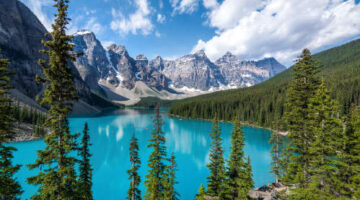
Whitecourt Alberta, Canada

Join the Movement. Help Build the New Herbanism, A living framework where food, education, culture, climate, and entrepreneurship converge.
Investment
Opportunities
The model is entrepreneurial by design: Mini-Farms will be owned and operated by vetted individuals under a federally backed financing program, with AI-assisted automation, robotics, and machine learning helping optimize planting, harvesting, and packaging. By combining sustainable food production with new economic opportunities, the project addresses food security, regional diversification, and climate smart
agriculture.
Fundraising